The very first time I ran the numbers on glove waste for a 500-person center, the result landed like a thud. We were purchasing close to 1.2 million non reusable handwear covers a year, paying to ship them in, then paying again to deliver them out as waste. The budget line looked dealt with and inevitable, like rainfall in April. It had not been. The expenses were simply badly instrumented. When we put information behind usage, cleansing, and recycling, the invest in PPE gloves quit being a shrug and became a lever. That's the shift an ROI-driven technique opens: you stop acquiring gloves as a sunk expense and begin managing them as an asset cycle.
This article explains exactly how to deal with PPE as a system you can measure, optimize, and protect in a boardroom. It covers how to gather the appropriate information, when glove cleansing and PPE gloves recycling make good sense, where cross-contamination avoidance need to establish tough restrictions, and exactly how a circular economic climate model can work in technique. I'll likewise touch on tools such as an ROI calculator and the sort of supplier programs that simplify this job, including offerings comparable to Libra PPE Recycling.
Start with a map of your glove lifecycle
Most procedures only see 2 numbers: purchase volume and disposal cost. The lifecycle has even more stages, and every one conceals both waste and chance. Map these steps for your site:
- Sourcing and specification: single-use nitrile versus reusable nitrile, thickness in mils, powder-free demands, shade coding by procedure, and any type of specialized chem resistance requirements. Distribution and usage: which teams use what, how gloves are dispensed, regular change-out frequency, and whether use spikes around certain jobs or shifts. Collection and segregation: exactly how used handwear covers are recorded, whether they are mixed with basic garbage, and what contamination categories are present. Cleaning or recycling pathways: whether handwear covers can be laundered or sterilized for reuse, or directed to a recycler that can turn them right into pellets, floor coverings, or power feedstock. Compliance and confirmation: documents that verifies the cycle is secure, legal, and auditable.
You don't require expensive software to do the initial pass. A clipboard and a couple of hours invested in the flooring will show you which boxes are overruning by midday, which teams get handfuls of handwear covers each time, and where signs and bins are puzzling. Those monitorings inform you where to point your information collection.
Instrument the data that matters
The strategy lives or dies by the top quality of https://cashytzm459.fotosdefrases.com/round-economic-situation-design-explained-applying-it-to-ppe-gloves the inputs. A basic, durable dataset will take you much. Aim for these:
- Volume by dimension and type. Track purchases and usage separately. A site acquiring 300,000 tool nitrile gloves may be distributing 350,000 because of cross-shift grab-and-go. Distribution data remedies rosy assumptions. Change-out rates by procedure. In electronics assembly, switching over every 45 mins may be basic for accuracy work. In warehouse operations, a pair might last with a fifty percent shift. File the baseline, do not guess. Failure and rejection rates. Torn gloves, contamination occasions, and high quality declines suggest either a specification mismatch or bad training. This number often tends to float around 3 to 8 percent, and it's extremely actionable. Waste make-up. Perform at the very least two waste audits, one during height manufacturing and one during routine operations. Different handwear cover waste by potential contamination class: non-hazardous, food-contact, biohazard, chemical, or various other. The whole recycling method depends on this split. Labor and logistics prices. Include inner labor for container swaps, dock handling, and training time, plus exterior prices for carrying, therapy, and disposal. Numerous groups leave these off the journal, then ask yourself why the ROI looks weak.
Once you have a month or more of data, normalize it per 1,000 labor hours or each of result. That allows you contrast lines and plants without confusion. It additionally highlights outliers. In one multi-site case, a plant with virtually the same job to its sister website revealed 40 percent higher glove usage per 1,000 units. The perpetrator was an adjustment in SOPs that asked operators to handwear cover up two times for a single examination action. Fixing the instruction saved six numbers yearly without touching product quality.
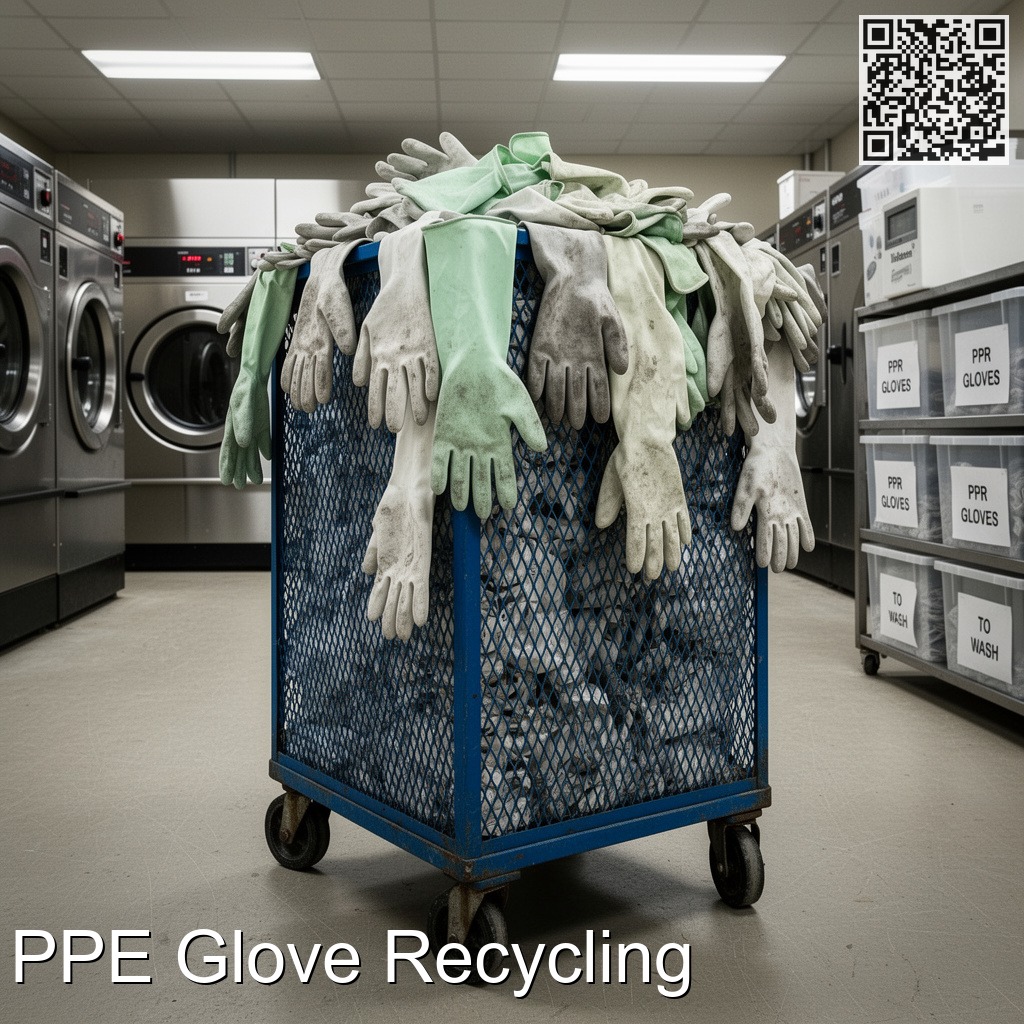
Where glove cleaning fits, and where it does n'thtmlplcehlder 42end. Glove cleaning can be an effective lever, however just in the appropriate context. Reusable handwear covers used in upkeep, stockrooms, and particular production jobs can be washed securely. Some durable nitrile and layered textiles withstand lots of cycles with minimal efficiency loss. The economics shine when you have foreseeable return prices and tight control of inventory. Single-use exam-style nitrile gloves are a various story. Their efficiency degrades with cleaning, and for many controlled environments, reuse is off the table. If you're lured to tidy single-use handwear covers, quit and examine your governing framework. In life scientific researches, medical care, and food get in touch with job, handwear cover cleansing for reuse typically breaks the regulations or the spirit of them. You can still collect them for reusing if they are non-hazardous and without banned residues. The decision tree is basic. If a glove is made and ranked as reusable, step cleaning cycles and failure prices, then contrast to fresh acquisition price. If it is single-use, route it straight to reusing where permitted, or to ideal disposal where not. Cross-contamination avoidance sets the boundaries
Any ROI strategy that ignores contamination will fall short either on security or conformity. Construct your program around the highest-risk processes, then let the remainder comply with. A couple of lessons I've discovered by hand:
- Make contamination courses explicit. Usage color-coded bins matched to glove shade or location signage. If your cleanroom gloves are white, the bin ought to not be black and unmarked; it ought to be white, labeled, and put inside the gowning location so there is no ambiguity. Treat unknowns as infected. Throughout rollout, you will certainly have days when the brand-new partition system is still new. If a bag is mislabeled or mixed, do not attempt to recover it into recycling. One poor batch can jeopardize the entire downstream partnership and wear down trust fund with auditors. Keep recycling companions in the loophole. If you present a solvent that alters the chemical profile of waste gloves, your recycler should know. Programs similar to Libra PPE Recycling will generally supply approval requirements and spot-test procedures. Follow them. Share SDS sheets when in doubt. Train with genuine objects. Posters and memos don't defeat muscular tissue memory. Arrange 10-minute toolboxes where operators manage the correct bins, bags, and tags. Make it responsive and simple.
Cross-contamination avoidance is not practically risk avoidance. It is also a search for assurance. A reusing stream that is understood, steady, and tidy is better to downstream cpus, which often means better rates and fewer disruptions.
Build an ROI calculator that executives will respect
Executives understand investment when it is framed like any various other capital project: squander, money in, payback duration, threat. A reputable ROI calculator for PPE gloves must consist of the following components.
- Current state costs. Include glove acquisition expense by kind, incoming freight if it's material, storage losses or diminish, dispense hardware or packaging, and waste carrying and tipping costs. Don't forget the cost of personnel time to handle this cycle. Proposed state expenses. Include prices for collection bins, liners, inner transport, training hours, any kind of service charge from a program such as Libra PPE Recycling, and step-by-step oversight like random audits or spot tests. Savings lines. Savings originate from reduced purchase quantity, rebates or revenue from recycling (if relevant), reduced carrying weights, avoided contaminated materials charges, and efficiency gains from much better dispensing or fewer stockouts. Risk and level of sensitivity. Run reduced, medium, and high circumstances. In the low instance, think marginal decrease in use and a small discount or avoided price. In the high situation, think hostile partition and strong engagement. Decision makers will land somewhere in the center, yet they require to see the variety to believe the number.
If your information is messy, present the variety and the assumptions plainly. For a 300-operator facility utilizing 900,000 single-use nitrile handwear covers annually at approximately 6 cents each, base acquisition is $54,000. If a reusing program reduces virgin handwear cover acquisitions by just 5 percent with much better dispense control and actions modification, that is $2,700 a year in purchase cost savings, tiny yet genuine. The bigger line could be stayed clear of disposal and hauling. If you are presently paying $120 per heap to transport and tip, and your program draws away 6 lots of gloves to reusing valued at $80 per ton service charge, you effectively minimize disposal prices and create separate, foreseeable outbound lots. The spread is what issues: an $80 per heap recycling cost with a $120 per lot avoided pointer saves $40 per heap. Throughout 6 tons, that is $240. Not substantial, but include minimized liner modifications, fewer dock runs, and lower combined waste contamination charges, and the total often approaches 5 figures. Layer in stayed clear of hazardous waste costs if you reroute non-hazardous gloves far from conventional, over-classified streams.
The method is not to oversell. Reliability enjoys small assumptions that you beat later.
The circular economy model, yet with shop-floor detail
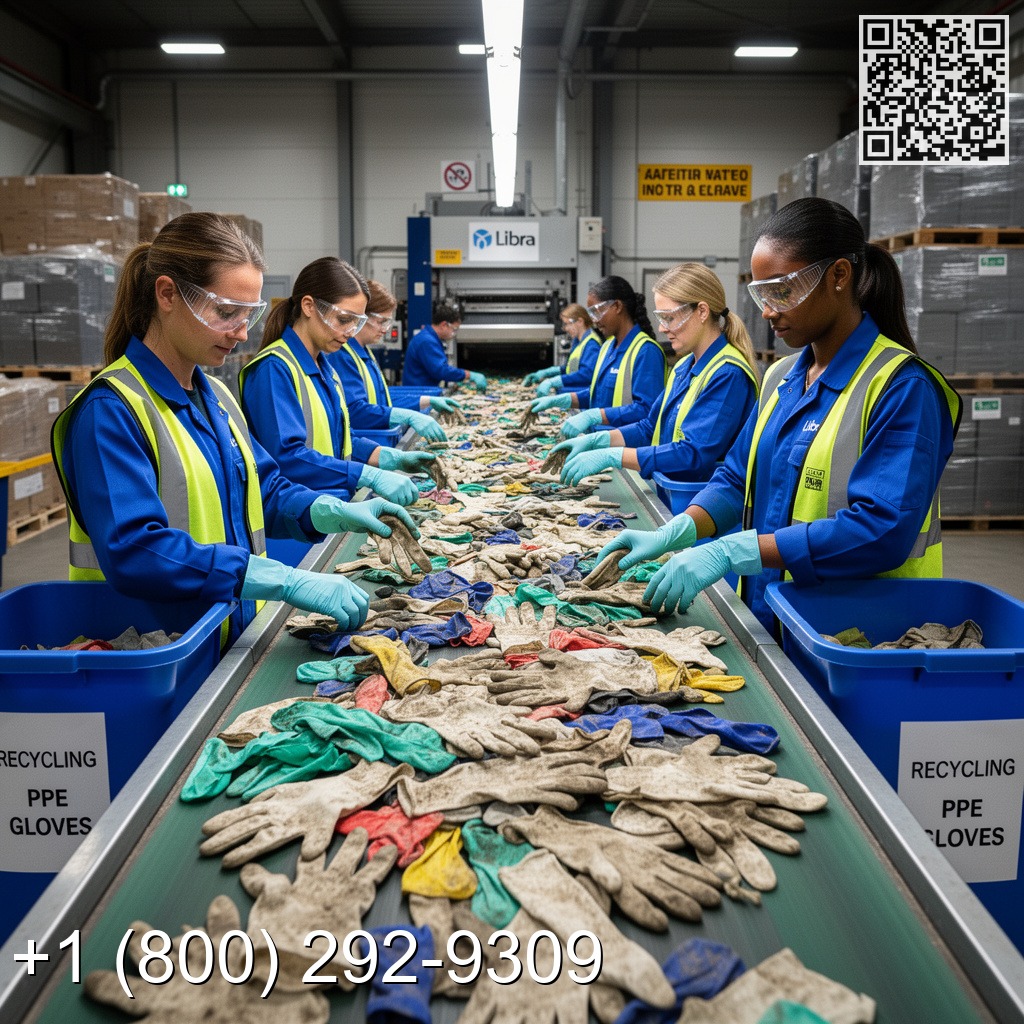
A round economic situation model for PPE is more than a layout in a sustainability report. It is a set of flows that you can feel on the floor. Handwear covers relocate from dispenser to hands, from hands to committed containers, from containers to gaylords, then to a recycler that can refine them into something helpful. For some materials, that may be plastic pellets combined right into new items. For others, maybe built floor coverings, delivering dunnage, or power feedstock in facilities that follow environmental standards.
The value of circularity shows up in two areas. Initially, it lowers the demand for virgin material at the system degree, also if not at your facility. Second, it creates a story that resonates with employees. People like seeing their waste end up being something tangible. In one plant, we brought back a batch of recycled-material floor mats and installed them in the gowning location, with a little indication that read, made partially from our utilized PPE gloves. Participation in segregation leapt 20 percent within a month. That is not magic; it is humanity reacting to comments and agency.
Programs along the lines of Libra PPE Recycling attempt to make that loophole useful by offering classified containers, approval criteria, and documents that endures audits. The ecological duty angle matters, however don't miss the functional benefit: standardizing collection and logistics minimizes rubbing for your centers team.
When recycling is the incorrect answer
Recycling is not a moral prize. Occasionally it is the wrong move. A couple of cases where I advise clients to resist:
- High biohazard or chemical danger that would certainly force the recycler to turn down huge quantities frequently. Repeated rejections harm confidence and waste time. In these environments, focus on better handwear cover spec and dispense control, not recycling. Fragmented sites with small volumes. If your site creates two or three boxes of handwear covers a month, trucking them to a recycler may negate the environmental benefits and eliminate the ROI. Aggregate across multiple websites or wait till adjacent streams can ride along. Weak leadership support. If supervisors deal with the program like a side pursuit, participation will certainly be erratic. It's much better to pilot in one motivated location, procedure outcomes, and expand from strength.
Sustainability has a lengthy memory. A failed launch can sour groups for several years. It's much better to go slow and exact than fast and messy.
How to pilot without drama
A pilot should really feel dull. Dull pilots are quiet, predictable, and easy to understand. Choose one area with tool intricacy and tool quantity, not your cleanest lab or your messiest line. You desire sufficient information to see signal without tackling mission-critical risk.
Set up an easy baseline: four weeks of usage, change-out rates, and waste structure. Set up classified bins, train the group in short sessions at shift start, and routine one mid-pilot refresher course. Arrange pick-up with your reusing companion, confirm packaging demands, and specify a factor individual that can decline loads if infected. Throughout the pilot, accumulate information regular. Anticipate 1 or 2 early blunders. Repair them on the flooring, not in email.
Two numbers issue at the end of the pilot: capture price and contamination price. Catch rate is the share of target handwear covers that made it right into the proper bins. Contamination price is the share of collected product that fell short acceptance screening. Target 70 to 80 percent capture and under 5 percent contamination for an initial run. If you do better, you have a solid case to expand.
Align handwear cover requirements with reusing goals
Sometimes the least expensive handwear cover sabotages your recycling end result. Ultra-thin handwear covers tear easily, surge change-out regularity, and blow up waste volume. Actions like tipping from a 3-mil to a 4-mil nitrile handwear cover can cut tears by fifty percent, reduce the count of gloves utilized, and enhance the high quality of the reusing stream given that undamaged gloves are much easier to portable and process. The per-glove cost may climb by a cent, yet complete spend declines due to the fact that you make use of fewer.
Consider shade coding by location to reinforce segregation. Blue for clean setting up, black for upkeep, white for cleanroom. The shade signal assists both users and downstream sorters. If you're collaborating with a supplier like Libra PPE Recycling, ask if they have color preferences or prohibitions for their process.
Also check out handwear cover additives. Some antimicrobial or static-dissipative treatments can influence recyclability. Share specifications with your recycler throughout selection, not after rollout.
Don't disregard the human system
Engineering controls and bins are not enough. Culture drives the daily fact of PPE administration. One of the most successful programs do a couple of basic points regularly:

- Install visible responses loops. A whiteboard near the containers with regular capture prices works marvels. Blog post wins, not lectures. Individuals like to see their effort scored and valued. Recognize groups. A pizza lunch for a line that struck 90 percent capture is less expensive than any incentive program and even more effective. Keep training tiny and regular. 7 mins at shift modification defeats a 45-minute classroom session 2 months ago. Make the appropriate thing the easy thing. Containers have to be closer than trash bin at the factor of glove elimination. If drivers have to walk throughout the aisle, the program will certainly leak.
Leadership helps by enhancing the why. Link the initiative back to safety, operational excellence, and environmental obligation. When staff members see that glove monitoring lowers mess on the flooring, cuts stockouts, and stays clear of cross-contamination incidents, the sustainability message experiences along naturally.
Verifying ecological benefits honestly
ESG reports and supplier scorecards push many business to measure their ecological gains. That's reasonable, but it attracts groups to reach for filled with air insurance claims. Be disciplined. If your recycler supplies a conversion element for pounds diverted and estimated CO2-equivalent avoided, use it, yet mention the variety and the presumptions. Usage conservative allowances for shared transportation. If your lots ride on backhauls that would have relocated anyhow, matter what you can defend.
The cleaner tale to inform typically originates from stayed clear of damage. Decreasing blended waste contamination can reduce the number of times a compressed lots obtains rejected, repacked, and carried twice. Preventing that has real exhausts and labor effects. It may not sparkle in a news release, yet it's functional gold.
Integrating a program partner without losing control
A supplier can streamline logistics, supply bins, and handle processing. The danger is to contract out reasoning. Keep ownership of three things: data, training, and compliance choices. Ask your companion for the acceptance standards in creating, the chain of guardianship, and their downstream end usages. If they can not clarify what occurs to your PPE in ordinary language, maintain looking.
Programs similar to Libra PPE Recycling frequently provide ROI modeling and site assessments. Make use of those, however cross-check with your very own numbers. Request pilot terms before signing a long agreement. An excellent partner will invite measured onboarding.
If your purchase plan likes competitive quotes, welcome a minimum of two carriers to price estimate a pilot, including their service charge, container alternatives, contamination charges, and reporting cadence. Stay clear of locking right into exclusive liners or bins that prevent switching later.
A couple of risks and how to evade them
Over the years, I've collected a small gallery of blunders. Here are the ones that repeat, and the countermeasures that work.
- Too several bin types at launch. Begin with 1 or 2 glove categories, not 6. Expand after you do well with the basics. No clear proprietor. Assign a called coordinator with 10 percent of their time protected for this work. If it's everyone's task, it is no one's job. Static SOPs. Update your glove-change SOPs to show the brand-new process. If the certification still points to the general garbage, people will follow the paper, not the poster. Ignoring night shift. If you train day move only, you will spend a month tidying up after nights. Arrange small sessions throughout all shifts, also if it means overtime for trainers.
What excellent looks like 6 months in
A fully grown, ROI-driven PPE program really feels typical. Operators dispose handwear covers right into the ideal bins without believing. Supervisors eye weekly dashboards the same way they examine scrap prices. Buying works out handwear cover agreements with usage data that shows truth. Facilities teams move fewer combined waste loads and spend less time dealing with overruning canisters. Auditors obtain clean, crisp documentation on waste segregation and cross-contamination avoidance, consisting of pictures of signage and container placement.
Financially, you need to see a couple of anchors: 5 to 15 percent decrease in handwear cover purchases via specification tuning and far better dispense control, moderate however trustworthy avoided disposal expenses, lowered labor time for waste handling, and quantifiable diversion of PPE gloves to reusing. In some sectors, the heading cost savings come from danger decrease instead of line-item expenses. Protecting against a single cross-contamination event can pay for the whole program for a year.
Culturally, the program makes trust when it endures tiny interruptions. A provider backorder forces a handwear cover change. A brand-new product presents a solvent. A change lead leaves. If your system adapts without breaking down, you constructed it right.
Bringing it together
ROI-driven PPE management is not concerning tweezing numbers from a calculator and calling it done. It's the discipline of tracking what you buy, how you use it, where it goes, and just how you can boost the loop. PPE gloves are a wonderful base since they show up, numerous, and ripe for little renovations that accumulate. Usage data to choose in between handwear cover cleaning, reusing, or disposal, led by cross-contamination prevention and compliance. Lean on a companion such as Libra PPE Recycling where it aids, yet maintain your hands on the wheel.
The benefits show up in layers: cleaner workplace, fewer stockouts, lighter dumpsters, less complex audits, a qualified sustainability tale, and a budget that finally moves in the best instructions. That initial month might seem like rounding up pet cats. By month six, the system primarily runs itself, and you have the numbers to prove it.
Libra Industries Inc
1435 N Blackstone St, Jackson, MI 49202
+15177875675
| Place ID | ChIJt_HMH44vPYgRNbiD22DpHYo |
| CID | 9952367353767639093 |
| Business Profile ID | 6301257705288912858 |
7H9Q+2G Jackson, Michigan
| Coordinates | 42.26760060, -84.41112540 |
 Ask ChatGPT
 Ask Grok
 Ask Perplexity
 Ask Claude
 Ask Google AI
 Ask You